It’s possible to read the Bible regularly and still misunderstand what it says—not because Scripture is unclear, but because we often approach it without understanding the world it was written in. We read it through our language, our culture, and our assumptions. Without realizing it, we can begin to shape its meaning instead of receiving it.
We’ve all experienced moments where a passage feels meaningful, but not fully clear. We understand enough to be encouraged, yet know there’s more beneath the surface—something deeper we haven’t quite uncovered.
That tension isn’t a flaw in Scripture—it’s an invitation to go deeper.

Knowing the original audience and culture isn’t just helpful—it’s essential to understanding the true meaning of what God has said. Because while God speaks to us through His Word, He does so through what He first spoke to them.
A big part of digging deeper means recognizing something we often forget: Scripture was written to real people, in real places, at specific moments in history. The Bible was written for us, but it wasn’t written to us. And when we overlook that, we don’t just miss deeper insight—we risk misunderstanding the very message God intended to communicate.
But when we slow down and step into the world behind the Word, Scripture begins to open up in a way that is richer, clearer, and far more grounded in truth. As we begin to understand that context, we don’t just gain clarity in the text—it reshapes how we understand God, and we begin to see how all of Scripture ultimately points to Christ.
Understanding Historical Context: Stepping Into Their Story
When we open Scripture, we are stepping into a story that didn’t begin with us. God revealed Himself across generations—through covenant, failure, redemption, exile, and restoration—and every passage sits within that unfolding story. If we read isolated verses without considering where they fall in that timeline, we risk misunderstanding not just the passage, but the bigger picture of what God is doing.
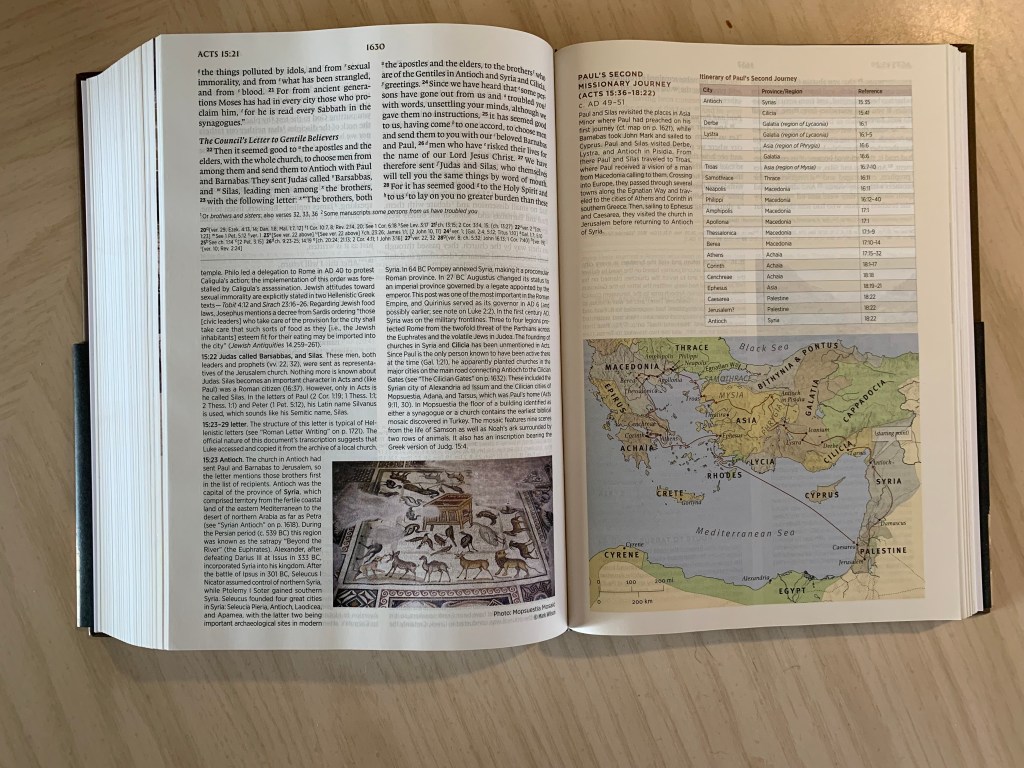
For example, when we read the prophets, we aren’t simply reading poetic warnings; we are stepping into moments of rebellion, judgment, and a deep longing for restoration. When we read the Gospels, we’re entering a world shaped by Roman rule, where declaring “Jesus is Lord” carried political weight and real risk. Even genealogies, which can feel easy to skip, are rooted in covenant promises and reveal the steady faithfulness of God across generations.
A Simple Guide for Studying Historical Context
When we begin looking at the historical background of a passage, we don’t need to overcomplicate it. A few intentional questions can go a long way in helping us understand what we’re reading more clearly:
Where does this fit in the bigger story of Scripture?
Is this before Christ, anticipating Him, or after, reflecting on what He has done?
When was this written?
Consider the time period and what was happening in history at that time.
Who was it written to?
Identify the original audience and what they may have been experiencing.
Who wrote it—and why?
Understanding the author and their purpose helps clarify the message.
What was happening at the time?
Look at major events like exile, persecution, political rule, or cultural shifts.
You don’t need to answer every question perfectly—but even asking them begins to shift how you read.
Because the more we understand the setting, the more clearly we begin to understand the message.
Taking time to ask, “What was happening when this was written?” helps anchor us in the reality of the text. It reminds us that we are not the center of the story—we have been invited into one that God has written long ago.
Understanding Cultural Context: Seeing Through Their Eyes
The Bible was written in cultures that function very differently from ours, and that difference matters more than we often realize. We live in a world that prioritizes individuality, while Scripture was written in cultures built on community, honor, and family identity. If we read the Bible only through our modern lens, we will naturally begin to reshape it into something that feels familiar—but that familiarity can come at the cost of accuracy.
Take the parable of the Prodigal Son. To us, it often reads as a touching story of forgiveness, but to the original audience, it would have been deeply shocking. A son asking for his inheritance early was essentially wishing his father dead, and a father running to meet him would have been seen as undignified. These aren’t minor details—they reveal the radical nature of grace in a way we might otherwise overlook.
The same is true with practices like foot washing. What might appear to us as a simple act of kindness was, in that culture, the role of the lowest servant. When Jesus took on that role, it wasn’t just kind—it was a profound display of humility.
A Simple Guide for Studying Cultural Context
As we begin to look at cultural context, the goal isn’t to master every detail—it’s simply to become aware that the people in Scripture lived and thought differently than we do. Asking a few intentional questions can help us step into their world:
- What was normal or expected in this culture?
Consider social norms, family structure, honor and shame, and daily life. - Are there customs or practices I don’t fully understand?
Look for things like weddings, meals, clothing, or social interactions that may carry deeper meaning. - What would this have meant to the original audience?
Try to see the moment through their perspective, not just your own. - Is this descriptive or prescriptive?
Is the passage describing what happened, or instructing what should always be done? - Am I reading this through a modern lens?
Pause and ask if your assumptions are shaping the meaning instead of the text itself.
We don’t need to know everything about the culture—but the more we recognize the differences, the more clearly Scripture begins to speak.
Without cultural context, we don’t just miss nuance—we often soften the very things Scripture is trying to emphasize. And Scripture isn’t meant to be softened; it’s meant to be understood as it was originally given.
Understanding Archaeological Context: Faith Rooted in Reality
One of the most grounding aspects of Scripture is that it is not detached from history. The Bible is not a collection of abstract ideas or symbolic myths; it is rooted in real places, real people, and real events. Archaeology continues to uncover cities, inscriptions, and artifacts that align with the biblical account, reinforcing that what we read in Scripture is deeply connected to the world, as it actually existed.
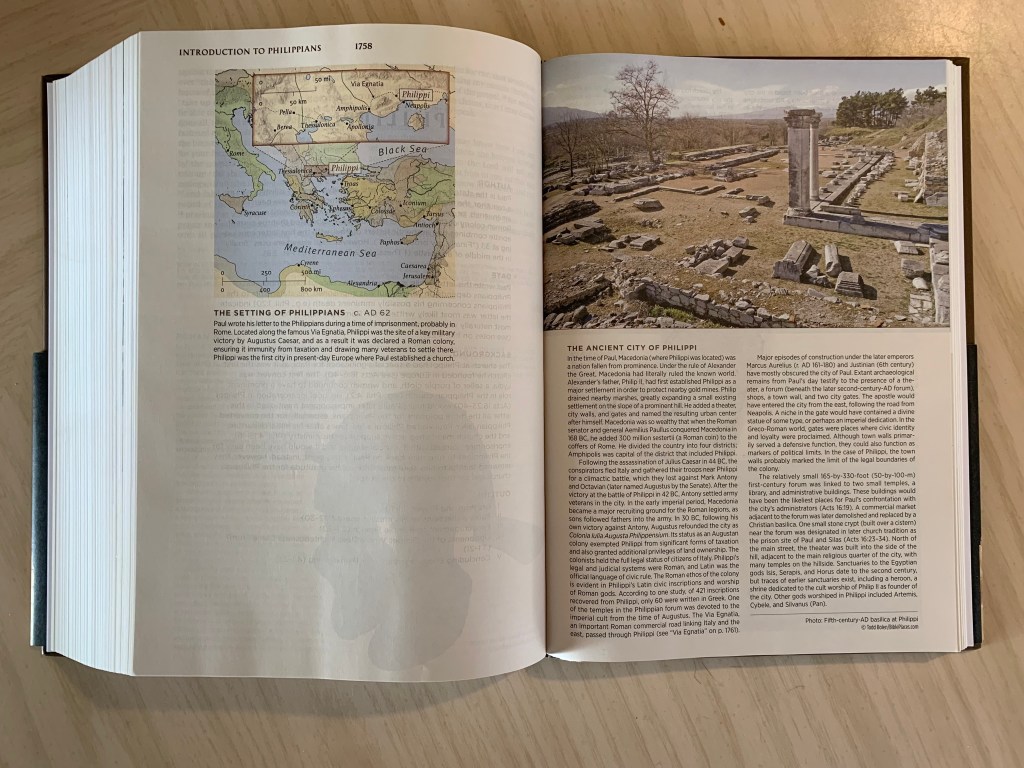
The Dead Sea Scrolls are one of the most powerful examples of this, showing how faithfully God’s Word has been preserved across thousands of years. Discoveries like these don’t just add interest—they strengthen confidence in the reliability of Scripture.
There are also widely discussed reports of chariot wheels found beneath the waters of the Red Sea, often connected to the Exodus account. While not every claim is universally agreed upon, even these discussions point to something significant: the events described in Scripture invite examination. The Bible does not ask us to believe blindly; it stands within history and welcomes investigation.
A Simple Guide for Studying Archaeological Context
When it comes to archaeology, the goal isn’t to become an expert—it’s simply to recognize that Scripture is rooted in real places and real history. A few thoughtful questions can help bring that into focus:
- What locations are mentioned in this passage?
Look at cities, regions, or landmarks and consider what we know about them historically. - Have any discoveries been connected to this time or place?
Things like inscriptions, ruins, or artifacts can help confirm and illuminate what we’re reading. - What does this reveal about daily life or the setting?
Archaeology often helps us better understand how people lived, worked, and interacted. - Does this passage connect to a known historical figure or event?
Kings, rulers, and major events are sometimes supported by findings outside of Scripture. - Does this deepen my understanding or confidence in the text?
Let what you learn reinforce that the Bible is grounded in real history—not disconnected from it.
We don’t need physical evidence to believe God’s Word—but when we see how consistently Scripture aligns with history, it can deepen both our understanding and our awe.
As we begin to see Scripture this way, our faith becomes more grounded. We aren’t just reading spiritual ideas—we are encountering a God who has acted in real time and space.
Understanding Literary Context: Reading Scripture as It Was Written
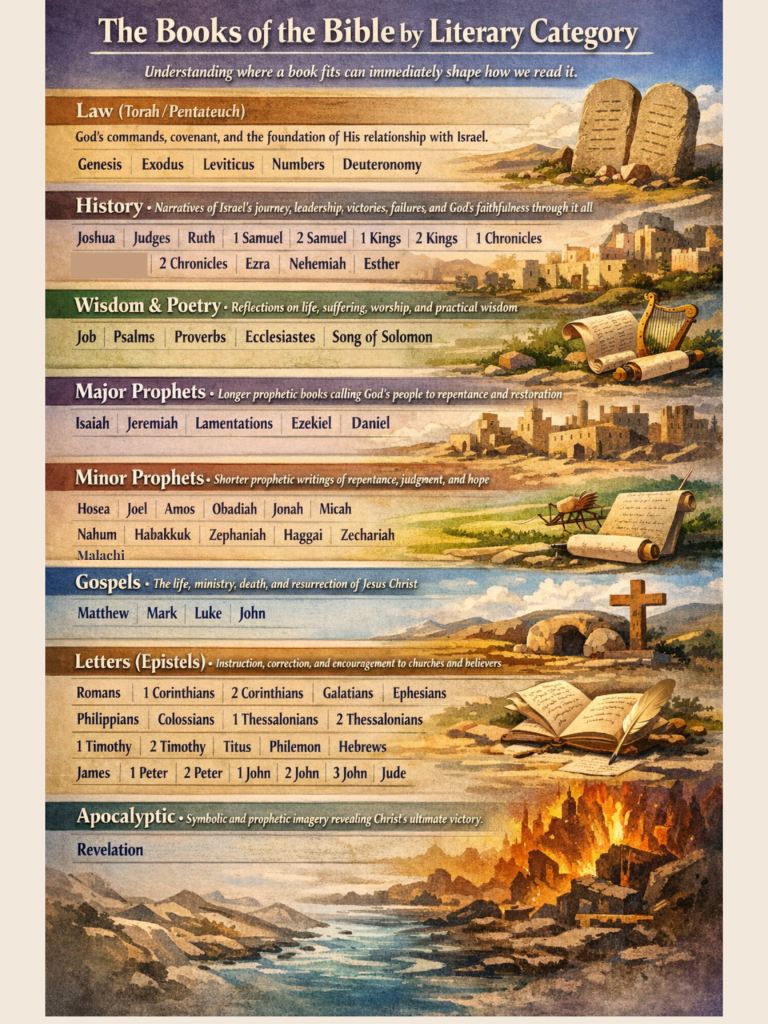
Not every part of the Bible is meant to be read in the same way, and recognizing that is essential for understanding what we’re reading. Scripture includes law, history, prophecy, narrative, poetry, wisdom literature, letters, and apocalyptic writing, each with its own purpose and style. When we ignore these differences, we can easily misinterpret the message.
The Psalms, for example, are rich with imagery and emotion and are not always meant to be taken literally. Proverbs offer general wisdom, not guaranteed outcomes. Paul’s letters were written to specific churches addressing real situations, which means we need to understand those circumstances before applying his words directly to our own lives.
Revelation is perhaps one of the clearest examples of why literary context matters. It is not written as a straightforward timeline but as apocalyptic literature filled with symbolism and imagery that communicates deeper spiritual realities. Reading it as if it were simple narrative can lead to confusion and misinterpretation.
A Simple Guide for Studying Literary Context
As we begin to look at literary context, we’re learning to read Scripture the way it was written. Not every passage is meant to be read the same way, and recognizing that helps us understand what the author is actually communicating.
A few simple questions can guide us:
- What type of writing is this?
Is it narrative, poetry, prophecy, a letter, or apocalyptic literature? - Who is speaking, and who are they speaking to?
This helps clarify tone, purpose, and meaning. - What comes before and after this passage?
Context within the chapter—and even the whole book—shapes interpretation. - Is this meant to be taken literally, symbolically, or poetically?
Different genres communicate truth in different ways. - What is the main message or purpose of this section?
Look for the author’s intent, not just individual verses.
Scripture isn’t random—it’s intentionally written. And the more we understand how it was written, the more clearly we begin to understand what God is saying.
One of the most helpful habits we can develop is simply refusing to read a single verse in isolation. When we take time to read what comes before and after, we begin to see how each part fits into the whole. Context doesn’t just enhance meaning—it protects it.
The Greater Context: Seeing Christ in All of Scripture
As we begin to understand historical, cultural, and literary context, something deeper starts to come into view. We’re no longer just understanding individual passages more clearly—we’re beginning to see how everything fits together.
Because the Bible isn’t a collection of disconnected stories or isolated teachings. It’s one unified story.
From the very beginning, Scripture is moving toward redemption. The promises in Genesis, the law given through Moses, the voices of the prophets, the longing woven throughout Israel’s history—it’s all building anticipation for something, or rather, Someone.
Without that larger context, it’s easy to read the Bible in fragments. We can walk away with good advice, meaningful lessons, or encouragement, but still miss what the passage is ultimately pointing to. We might focus on the moment without seeing the movement.
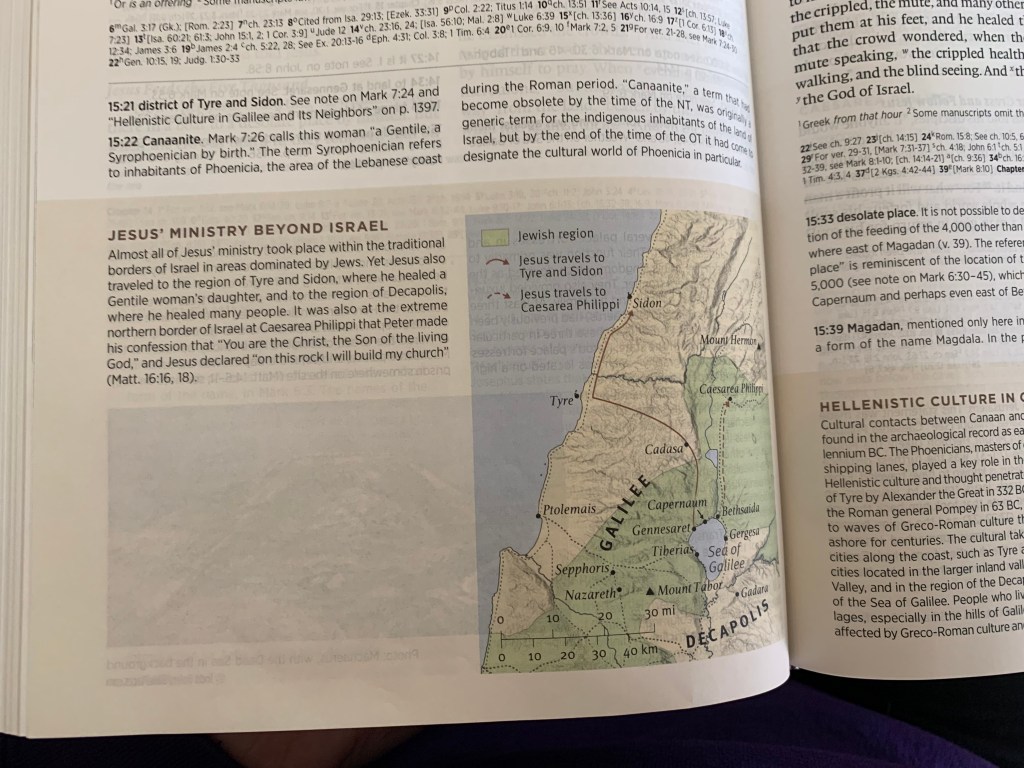
But when we begin to read Scripture as one unfolding story, everything starts to connect.
The Old Testament begins to feel less distant and more intentional, full of anticipation and promise. The Gospels become more than familiar accounts—they become the fulfillment of everything that came before. And the letters in the New Testament take on deeper meaning as we see how the gospel reshapes the lives of those who believe it.
Jesus Himself made it clear that the Scriptures testify about Him. That means understanding context doesn’t just help us interpret a passage correctly—it helps us see how that passage fits into God’s redemptive plan.
And when we begin to read the Bible that way, it changes how we approach it altogether.
We’re not just looking for something to take away—we’re learning to see the One it’s all about.
When Context Is Ignored: The Risk of Getting It Wrong
If we’re honest, it’s easy to approach Scripture looking for something that confirms what we already feel or believe. We can take a verse out of its context and shape it into something encouraging, but in doing so, we may unintentionally distort its meaning.
Over time, this leads to confusion—not because Scripture is unclear, but because we have removed it from the setting that gives it clarity. This is how entire beliefs can be built on verses that were never meant to say what we think they say.
Good intentions are not enough to ensure the right interpretation. We can sincerely believe we are understanding Scripture correctly and still be mistaken. That’s why context matters so much—it guards us from reshaping God’s Word into our own image.
God did not give us Scripture to fit around our preferences. He gave it to reveal the truth, and truth requires understanding context.
The Beauty of Digging Deeper
Understanding context doesn’t mean we stop at history—it means we move through it into faithful application. When we take the time to understand what a passage meant to its original audience, we are better equipped to discern the timeless truth within it and apply that truth rightly in our own lives.
The more we approach Scripture this way, the more we begin to see that God’s Word was never meant to be skimmed. It is layered, intentional, and rich with meaning. Context doesn’t complicate Scripture—it reveals it.
And the beautiful part is that we don’t need to be scholars to begin studying this way. We simply need to be willing to slow down, to ask better questions, and to go beyond surface reading.
Because when we do, Scripture doesn’t just give us something to hold onto—it reshapes how we understand God Himself.
And that kind of depth is worth pursuing.
Closing Prayer
Heavenly Father,
Thank You for the gift of Your Word. Thank You that You have not left us to wonder who You are, but have revealed Yourself through Scripture—faithfully, intentionally, and with purpose.
Lord, as we open our Bibles, help us to approach Your Word with humility. Teach us to slow down, to ask better questions, and to seek understanding—not just for knowledge, but so that we may know You more deeply.
Give us a desire to study Your Word faithfully. Help us to look beyond the surface and to care about what You truly meant when You spoke. Guard us from reading our own thoughts into Scripture, and instead lead us into truth.
Holy Spirit, guide us as we read. Illuminate what may feel unclear. Bring clarity where there has been confusion, and depth where we have only seen the surface. Help us to understand the context, the message, and ultimately, how all of it points to Christ.
Shape our hearts through Your Word. Align our thoughts with Your truth. And as we grow in understanding, help us to live in a way that reflects what we have learned.
Thank You that Your Word is living and active, and that You are faithful to reveal Yourself to those who seek You.
We ask all of this in Jesus’ name,
Amen.
 Dawn Zauner